NASA-funded scientists will be launching stream of weather balloons before, during and after the eclipse in Iceland
When the moon’s shadow crosses Iceland on August 12, 2026, most of us will spend the day watching the sky and waiting for totality. NASA-funded scientists from Idaho and Kentucky in the U.S. will be doing the same — but with a very different goal. From to-be-decided launch sites near Reykjavík, teams will send a steady stream of weather balloons before, during and after the eclipse, tracking how the sudden loss of sunlight affects the atmosphere above Iceland.
The launches are part of the Nationwide Eclipse Ballooning Project (NEBP), a campaign that has spent years studying how Earth’s atmosphere responds during solar eclipses. It’s entirely funded by a NASA grant.
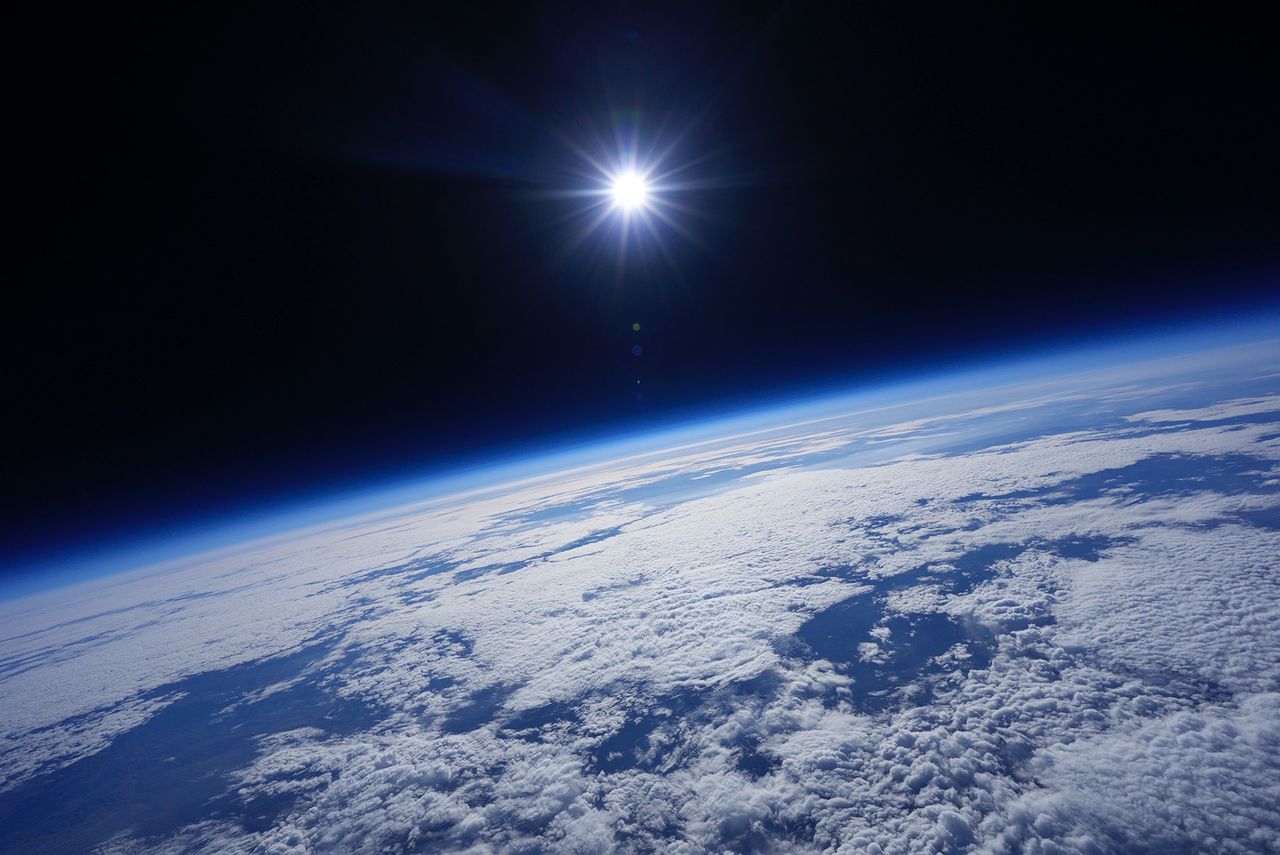
For the 2026 eclipse, two atmospheric science teams will operate from Iceland while engineering teams based in Spain will launch larger balloons carrying 360-degree cameras and communications experiments into the stratosphere. Together, the campaigns will examine how the eclipse affects everything from radio signals to the lowest layers of the atmosphere itself.
But Iceland’s role is different. Here, the focus is not on spectacular imagery from near space, but on what happens closer to the ground when sunlight suddenly vanishes.
“In the 2024 eclipse, our focus was on detecting atmospheric gravity waves—the pressure wave in the atmosphere generated by the eclipse. This time around, we’re going to focus more on how the planetary boundary layer evolves during the eclipse,” said Dr. Matt Bernards of the University of Idaho, one of the lead scientists in Iceland. There will be one other team from the University of Kentucky.
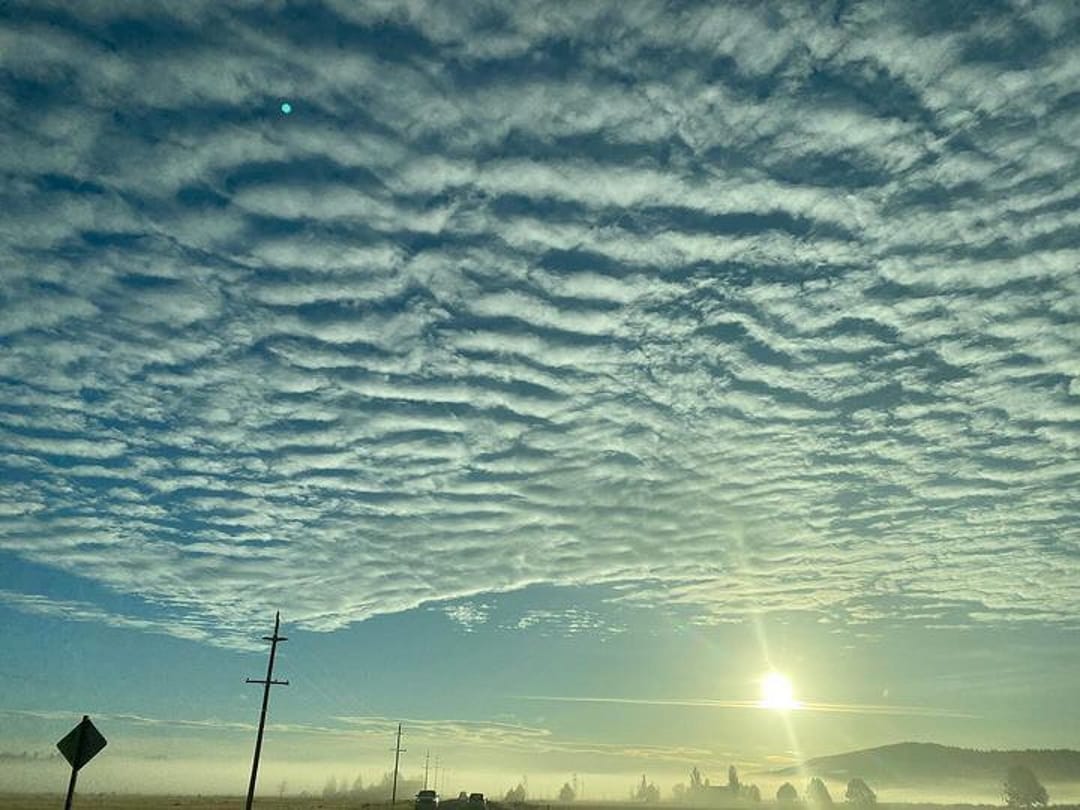
The planetary boundary layer is the lowest part of Earth’s atmosphere — the layer directly influenced by the surface below it. It changes constantly throughout the day as sunlight heats the ground and warm air rises upward.
“The planetary boundary naturally settles during the evening, dropping to what’s known as a nocturnal boundary layer, and we want to characterize how quickly that changes due to the eclipse,” said Bernards.
A total solar eclipse creates a strange atmospheric experiment by producing an artificial twilight in the middle of the day. Temperatures can drop rapidly, winds may shift, and the atmosphere can temporarily behave as though nightfall has arrived early.
The scientists will also once again study atmospheric gravity waves — ripples in the atmosphere caused by sudden disturbances in stable air layers. Similar to waves spreading across water after a stone is thrown, eclipse-induced gravity waves are thought to form as the moon’s cold shadow rapidly cools the atmosphere below.
During the annular solar eclipse across the U.S. in October 2023, NEBP teams detected gravity waves in the atmosphere, and scientists believe the same phenomenon also occurred during the 2024 total solar eclipse. However, researchers are still analyzing the enormous amount of data collected during that campaign.
Scientists believe Iceland’s eclipse could provide particularly valuable data because totality occurs late in the afternoon, close to the atmosphere’s normal evening transition.
“We’re expecting to see the planetary boundary layer start to descend. The same thing happens at nightfall when you lose the solar irradiation from the sun—the atmosphere calms, there’s not as much energy, and the planetary boundary layer sinks to the nocturnal boundary layer,” said Bernards. “We’re expecting it to start to descend during the eclipse, but probably not get all the way to what it does at nighttime, because totality in Iceland is just over a minute long.”
By understanding how the atmosphere reacts to the sudden loss of solar heating during an eclipse, scientists hope to improve broader atmospheric and weather models.
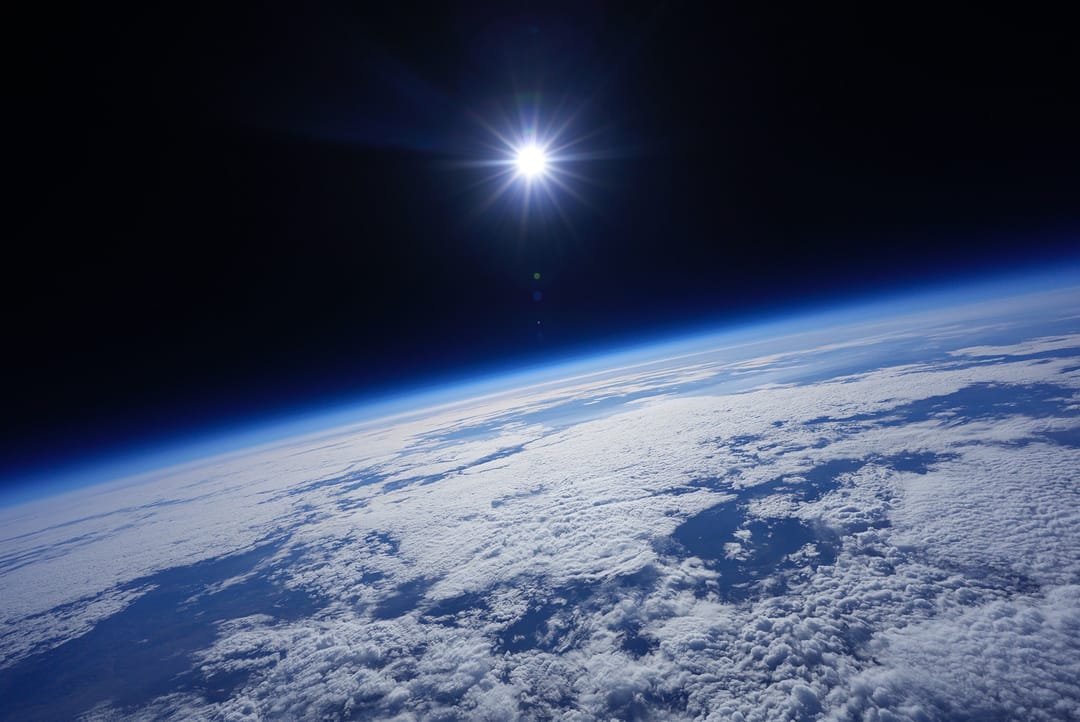
To measure those changes, scientists will repeatedly launch radiosondes — small instrument packages carried beneath weather balloons. “In Iceland, we will only be launching radiosondes — the same commercial device the National Weather Service launches twice a day around the world to get atmospheric profile data for weather modeling and forecasting,” said Bernards.
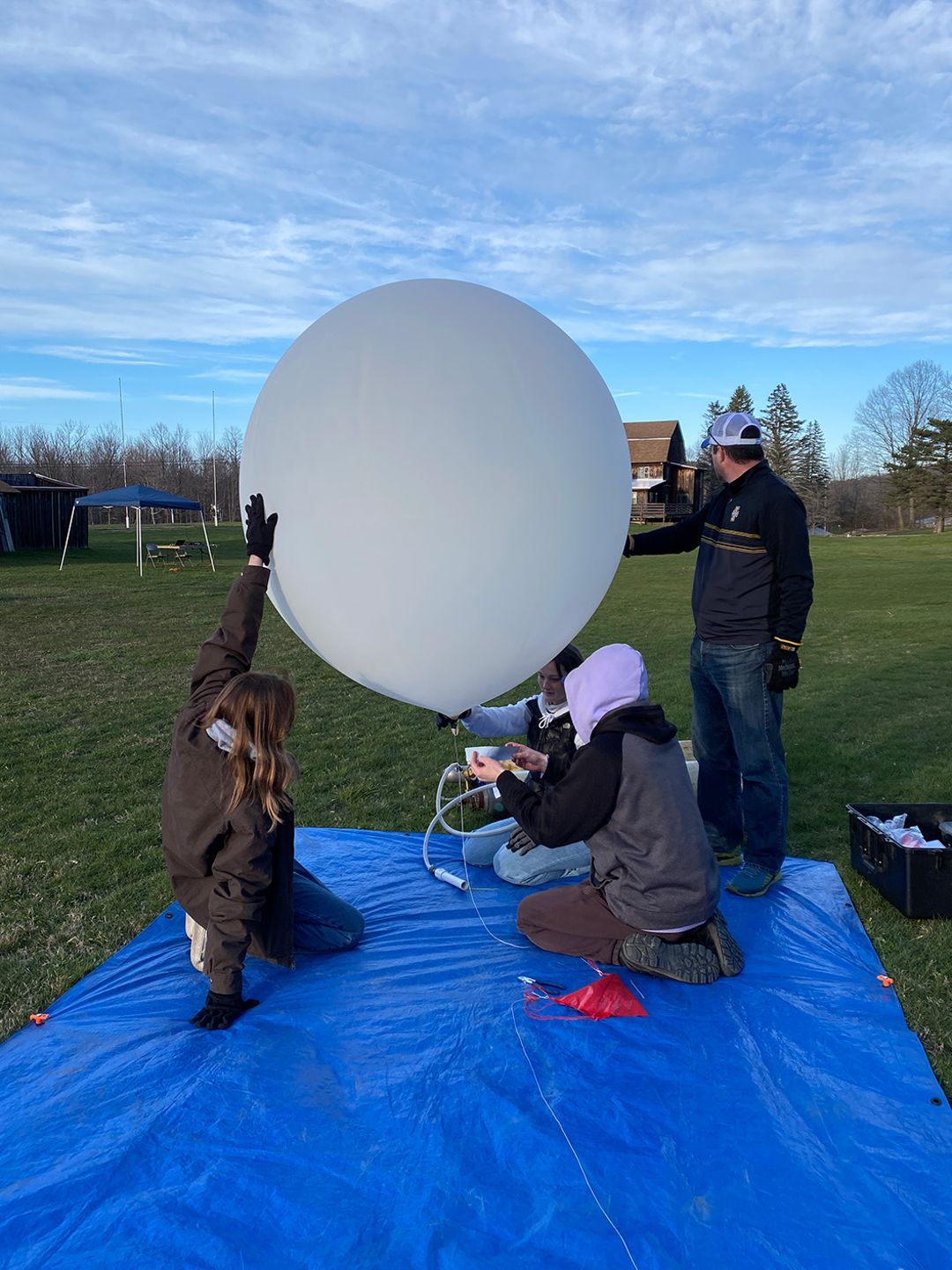
The campaign will operate continuously for roughly 30 hours around eclipse day, with launches increasing dramatically during key moments. “The idea is that we will try to launch balloons every half hour during the key measurement time points, and then hourly during the middle of the day when it’s less important for us to quantify the atmosphere,” said Bernards.
That intense schedule is partly constrained by technology. “During the eclipse, we will do a balloon launch every half hour. We’re limited by the frequencies available for our instruments to communicate back to the ground station—the more balloons in the air, the more likely you get cross-talk or a lost signal,” said Bernards.
Each balloon will climb high into the stratosphere before bursting. “The balloons take about two hours to get to around 33 kilometers, and then the balloon will burst,” said Bernards.
Anyone hoping to spot the eclipse balloons in Iceland may need to get close to the launch site. “Our balloons are fairly small, so unless you’re near the launch site, you won’t see them at all. When they are filled up at the ground level, they’re about two meters in diameter,” said Bernards.
The University of Idaho and University of Kentucky teams expect to operate south of Reykjavík, at least six nautical miles from Keflavík Airport, though the exact site has yet to be finalized.
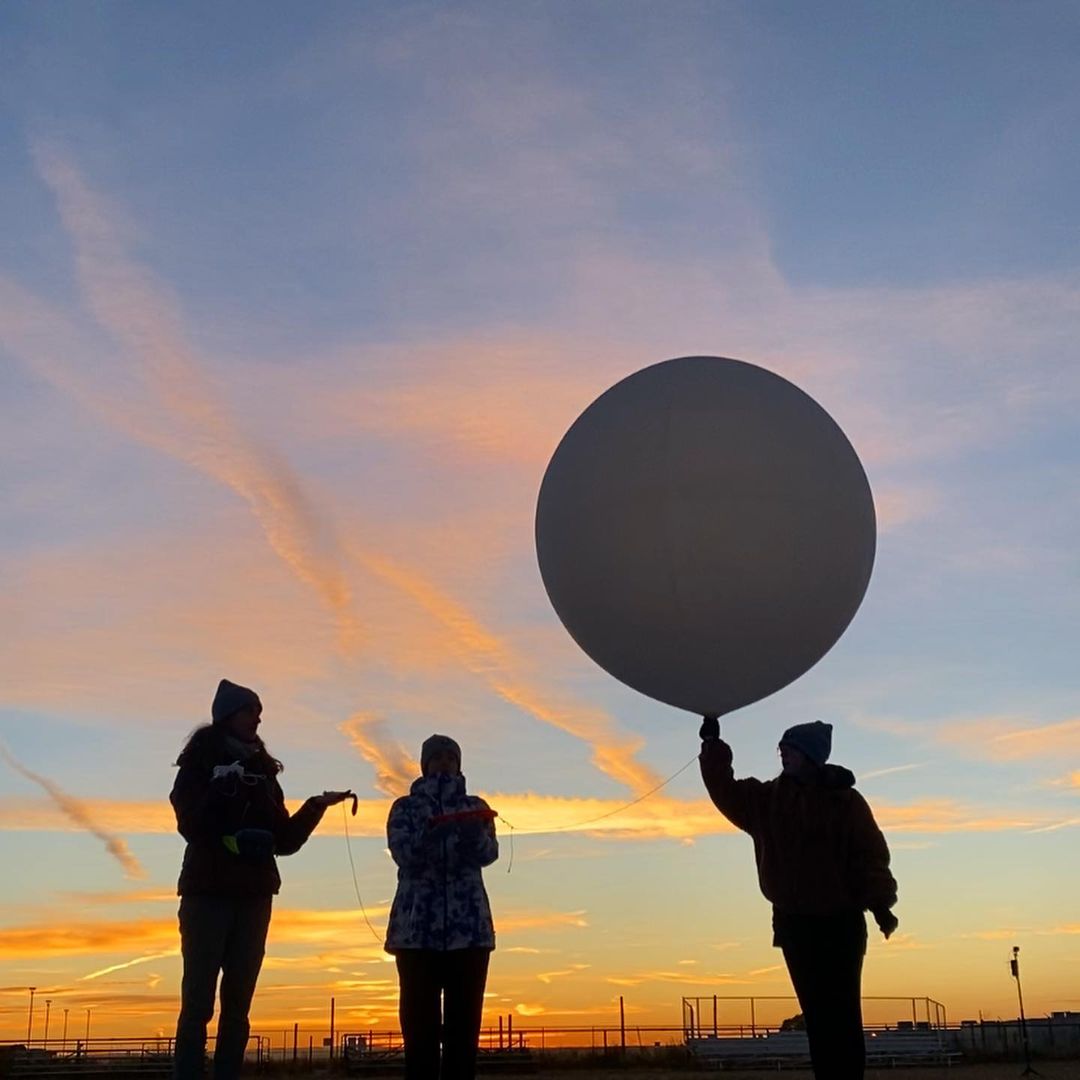
Unlike the atmospheric science teams operating in Iceland, the engineering teams in Spain will focus on larger payloads and eclipse imaging.“The teams in Spain will be launching the 360° cameras, as well as instruments to measure the atmosphere and to communicate with satellites and back to the ground station. We can’t do those bigger payloads in Iceland because they have to be tracked down and collected, whereas the radiosondes are considered disposable,” said Bernards.
That decision is largely driven by Iceland’s terrain. The path of totality passes over western Iceland, but the interior is considered too remote to hunt for dropped equipment. “It would be very challenging just to get access to track down a payload, even if we knew exactly where it was,” said Bernards.
The 2026 campaign is far smaller than the massive 2024 eclipse project across the U.S., which involved more than 50 teams and hundreds of students. It was as much about outreach and encouraging students to embark on STEM careers as it was about research. “For this Iceland campaign, there’s more of a science focus, which is why there are fewer teams,” said Bernards.
Even so, the teams hope eclipse visitors and local residents will stop by the launch site once its location is confirmed.“We’re more than happy to have people come by and watch,” said Bernards, who hopes to have eclipse glasses and NASA stickers to hand out.
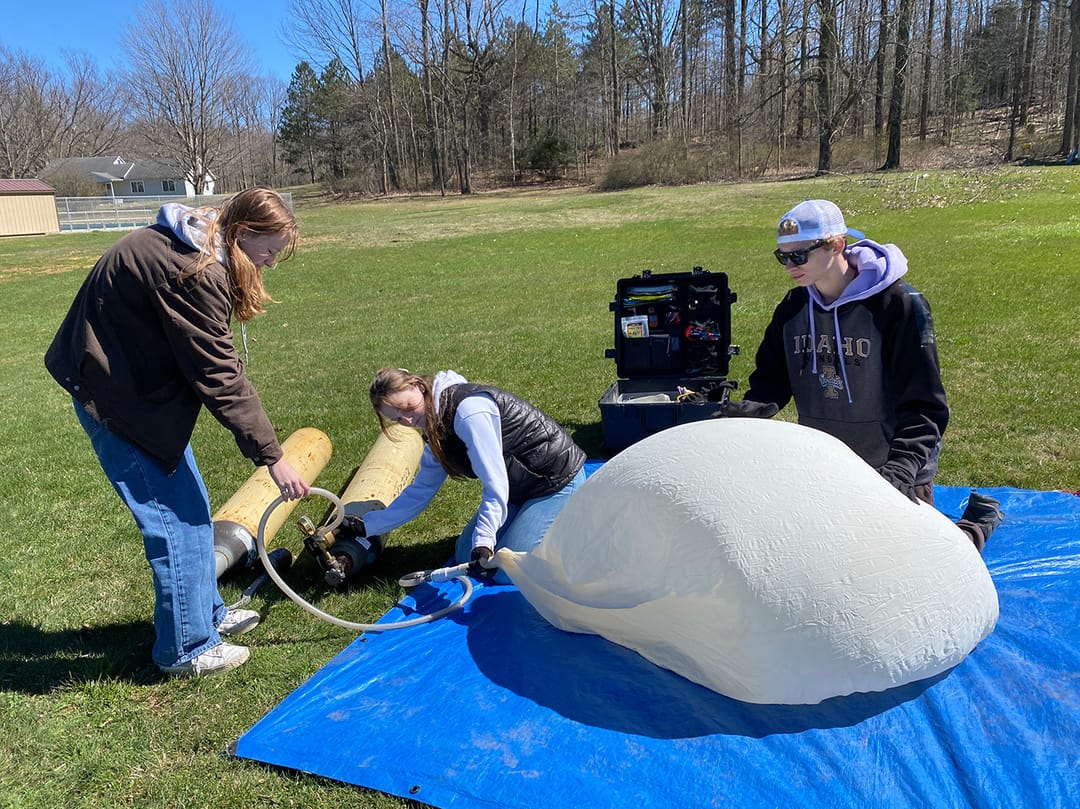
For anyone lucky enough to find the launch area during the eclipse, the scene may look surprisingly modest: a handful of researchers, laptops, tanks of helium and weather balloons slowly rising into Iceland’s darkening sky. But for the scientists below, each launch will carry valuable data about how Earth’s atmosphere responds when daylight suddenly disappears.
Jamie Carter is the author of Complete Guide to the Total Solar Eclipse 2026, The Eclipse Effect and When Is The Next Eclipse? A traveler’s guide to total solar eclipses 2026-2034