When the moon slides in front of the sun over Iceland on August 12, 2026, the human response will be predictable. How Iceland’s wildlife will react is less obvious.
When the moon slides in front of the sun over Iceland on August 12, 2026, the human response will be predictable: an excited murmur during the partial phase, followed — if the sky is clear — by whoops and cheers during totality. How Iceland’s wildlife will react is less obvious. From the seabird cliffs of Látrabjarg to the seal-strewn shores of Ytri Tunga and the whale-rich waters of Faxaflói Bay off Reykjavík, some of the country’s most iconic wildlife habitats lie directly in the path of totality. For wildlife, however, a total solar eclipse is not a spectacle. It is a sudden, deeply confusing interruption of the most reliable signal in nature — daylight. How each species reacts is hard to predict, but scientists do have clues.
Note: it’s essential to keep a respectful distance from animals, particularly in sensitive environments such as bird colonies and seal haul-out sites.
For birds, mammals and insects alike, the sun is as much a biological clock as a source of light. Light level dictates when to feed, when to rest, when to sing and when to fall silent. A solar eclipse — particularly one that’s total — interrupts that mechanism.
During a partial eclipse — which will last for an hour before totality on August 12 — changes are subtle. Light levels drop, shadows sharpen, and temperatures can dip slightly. Some animals may begin to show early signs of evening behaviour. However, it’s the sudden transition from day to twilight when the sun disappears during totality that has the greatest effect.
Scientific studies remain limited. During a total solar eclipse in 2017 in the U.S., scientists gathered at Riverbanks Zoo in South Carolina to observe 17 species, with four categories identified: no reaction at all, a shift into nighttime routines, signs of anxiety and entirely novel behaviours. About 75% had some kind of reaction. Mostly, animals behaved as if evening had arrived early. Birds stopped singing. Diurnal species (active during daytime) settled down while nocturnal insects, such as crickets, began to stir. As sunlight returned, everything reversed. However, there were some anomalies during totality: typically placid giraffes began running and appeared stressed, monkeys made unusual noises, and Galápagos tortoises began mating during totality. In another 2017 study using microphones placed in flowers in meadows across multiple U.S. states, bees stopped buzzing — but only during totality. Some bees slowed their flight as light levels dropped, then ceased activity altogether when it got dark. Totality triggered an immediate shutdown.
Wildlife doesn’t care about totality solar eclipses; they respond not to a rare astronomical event, but to an unexpected and extreme version of the transition from day to night.
Perhaps the most well-known response to a total solar eclipse is from birds, though it depends on the species. New research from the 2024 total solar eclipse in North America analysed more than 10,000 observations by citizen scientists alongside tens of thousands of acoustic recordings. More than half of the bird species studied altered their behaviour, and many responded to the end of totality by breaking into a dawn chorus — the outbreak of birdsong at the start of a new day.
This ‘false dawn’ effect is particularly relevant for Iceland on August 12, which falls right at the end of the summer midnight sun period (miðnætursól), which occurs from late May to early August. Consequently, breeding colonies across the island are intensely active during summer. Will the sudden plunge into darkness, followed by the rapid return of light, trigger a dawn chorus?
Witnessing the reactions of wildlife during a total solar eclipse can be a precious experience, but keep expectations low because there are no guarantees you’ll see or hear anything dramatic. Wildlife responses are often subtle, brief and highly variable.
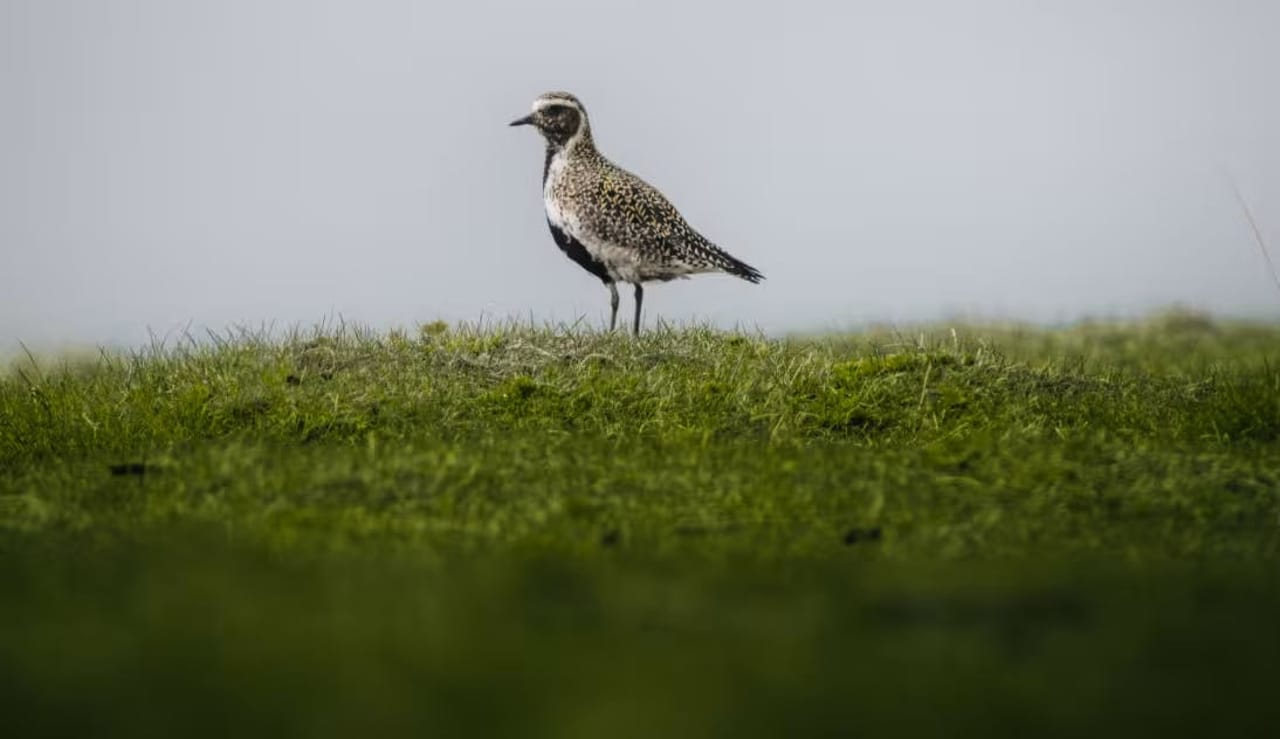
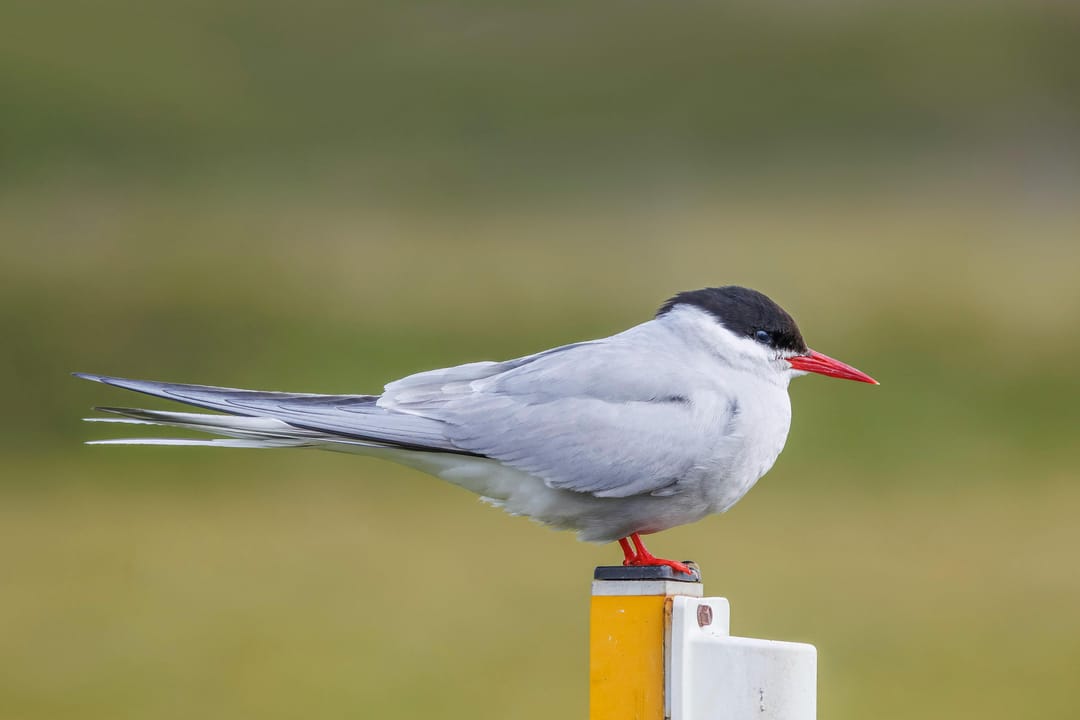
Birdlife is likely to provide the most immediate clues. Iceland’s summer skies are alive with activity, from seabird colonies to coastal waders. Species such as Arctic terns, which are highly sensitive to light levels, may interrupt their feeding or flight patterns as the eclipse deepens. In some cases, they may fall silent or leave feeding grounds altogether, responding as though dusk has arrived.
Seltjarnarnes, Reykjavík
5:48 p.m. GMT
1 minute, 2 seconds
A short walk west of Reykjavík city centre is Seltjarnarnes, a peninsula that’s a breeding ground for boisterous Arctic terns. Their primary nesting area is around the lighthouse on Grótta, which will be cut off by a high tide during the eclipse and, besides, is closed in August for breeding season. However, anyone on the Sculpture and Shore Walk along the coast may hear a cacophony from these extremely noisy birds, followed by a sudden quieting of the landscape during totality.
Látrabjarg, Westfjords
5:44 p.m. GMT
2 minutes, 13 seconds
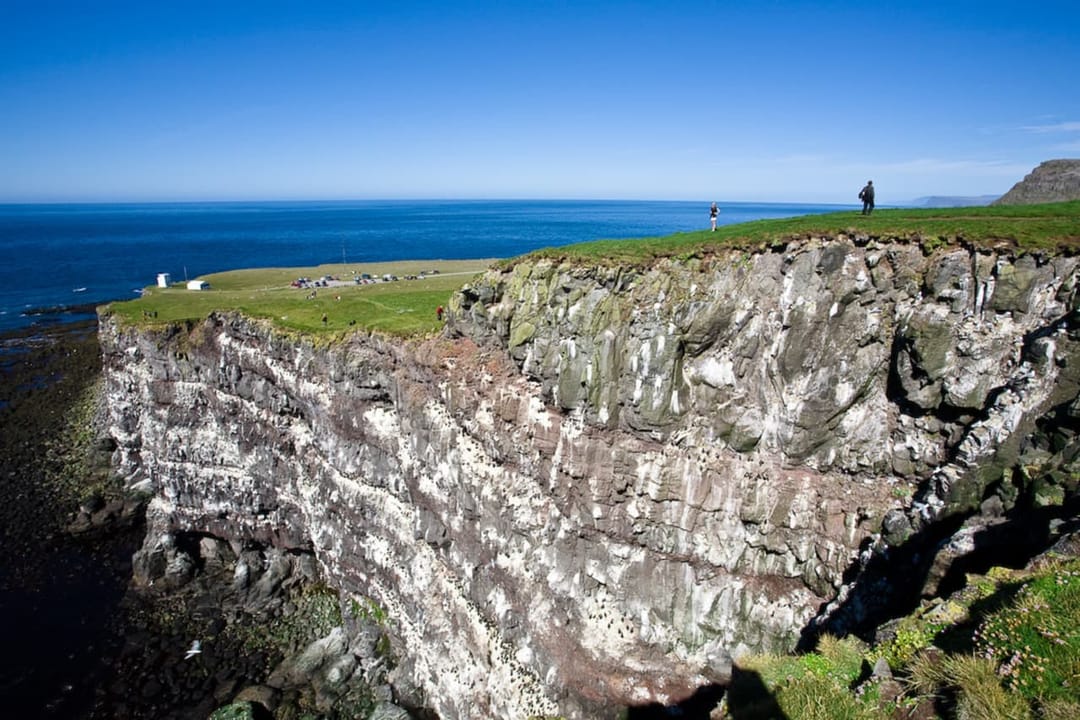
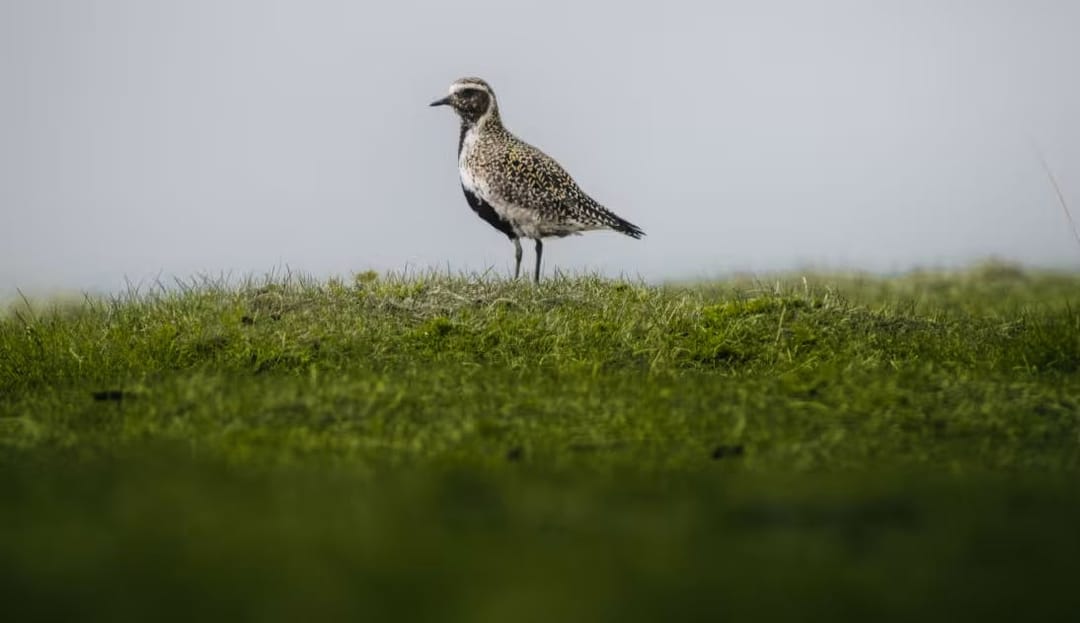
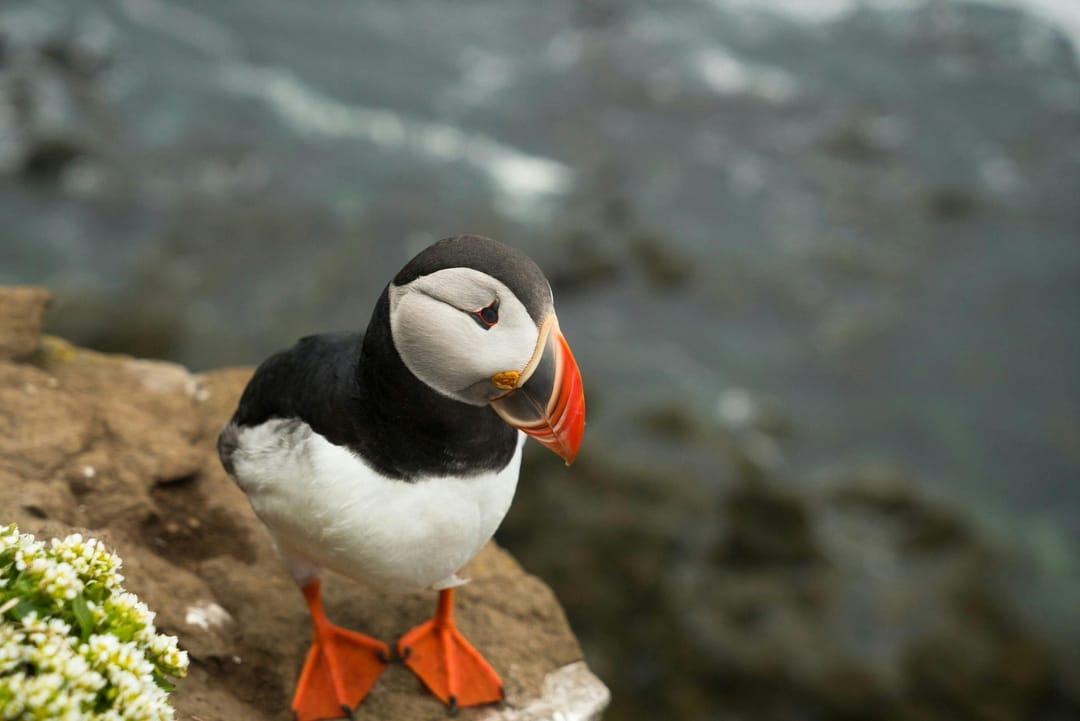
The dramatic cliffs of Látrabjarg host vast colonies of puffins and other seabirds during the summer months. Here, the sheer scale of the birdlife increases the likelihood of perceiving a collective response, whether a lull in activity or a coordinated retreat to nesting sites. Even so, any changes are likely to be fleeting, lasting only as long as the darkness itself.
Ytri Tunga beach, Snæfellsnes Peninsula
5:46 p.m. GMT
1 minute, 45 seconds
Along the Snæfellsnes Peninsula, at places like Ytri Tunga, harbor seals and grey seals are a common sight, hauled out on beaches or bobbing just offshore. Based on previous eclipse observations, they are unlikely to show dramatic reactions. At most, there may be moments of curiosity or minor shifts in attention, but their overall behaviour tends to remain steady.

Faxaflói Bay, Reykjavík
5:47 p.m. GMT
1 minute, 47 seconds
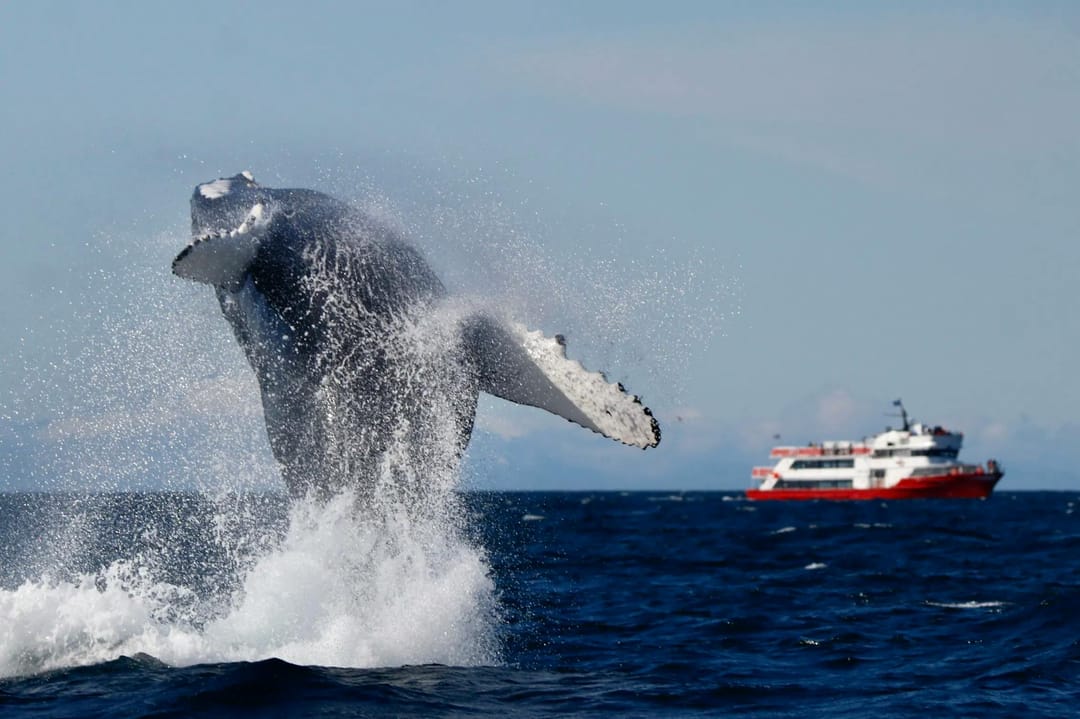
Whale-watching areas of Iceland, including Faxaflói Bay, are similarly unpredictable. While humpback whales frequent these waters during August, there is little evidence to suggest that they respond strongly to eclipses. However, August tours offered breathtaking views of Iceland’s coastline and, not surprisingly, boat tours from Reykjavík can be booked.
Ultimately, witnessing animal behaviour during a solar eclipse is less about dramatic spectacle and more about subtle shifts. But in Iceland’s stark and beautiful landscapes, a sudden silence may feel even more pronounced, adding to the sense that the natural world is momentarily out of sync.
For a few moments on August 12, eclipse chasers will see how wildlife — including themselves — react to one of nature’s greatest and strangest events. Then, just as quickly, everything will return to normal — as if nothing happened at all.
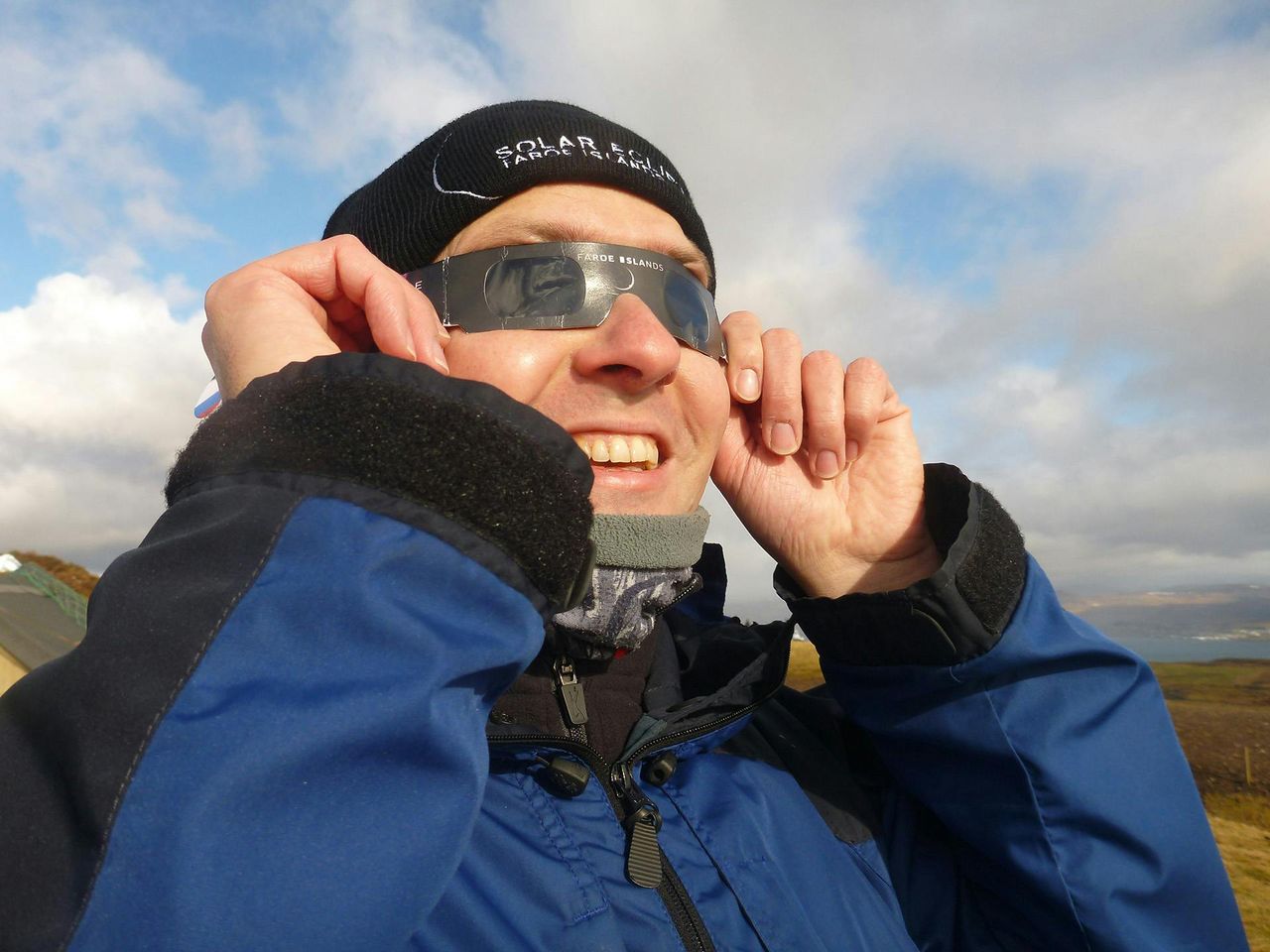
Jamie Carter is the author of Complete Guide to the Total Solar Eclipse 2026, The Eclipse Effect and When Is The Next Eclipse? A traveler’s guide to total solar eclipses 2026-2034