People within the path of totality enjoys the greatest spectacle, but east of it a deep and lovely partial eclipse is seen
"What's the difference between a total eclipse and partial eclipse?“ This is one of the most common question we get asked about solar eclipses. The difference is immense, day and night, more than you can possible imagine. Even 99.99% partial eclipse is vastly different to a total eclipse.
A total solar eclipse is like being at a concert with your favorite band, right by the stage, while the band plays your song requests. A partial solar eclipse is like being at home listening through mediocre headphones. It’s absolutely fun, but not nearly the same unique experience.
On Wednesday, August 12, 2026, people within the path of totality will experience a truly awesome spectacle. To the east of it, a very deep and interesting partial solar eclipse will occur. One that's definitely worth it to keep a close eye on.
In Iceland, the town of Neskaupstaður will experience the smallest partial eclipse (95.15%). The deepest partial eclipse occurs in Hvanneyri, Mosfellsdalur, and Þorlákshöfn (99.99%) and Búðardalur (99.97%). People in those areas are strongly advised to head into the path of totality if possible.
Our interactive map below shows the local circumstances for the eclipse in August. The shadowed region shows where the total solar eclipse is visible, from the Westfjords south to the Reykjanes peninsula. East of that area, the eclipse is partial.
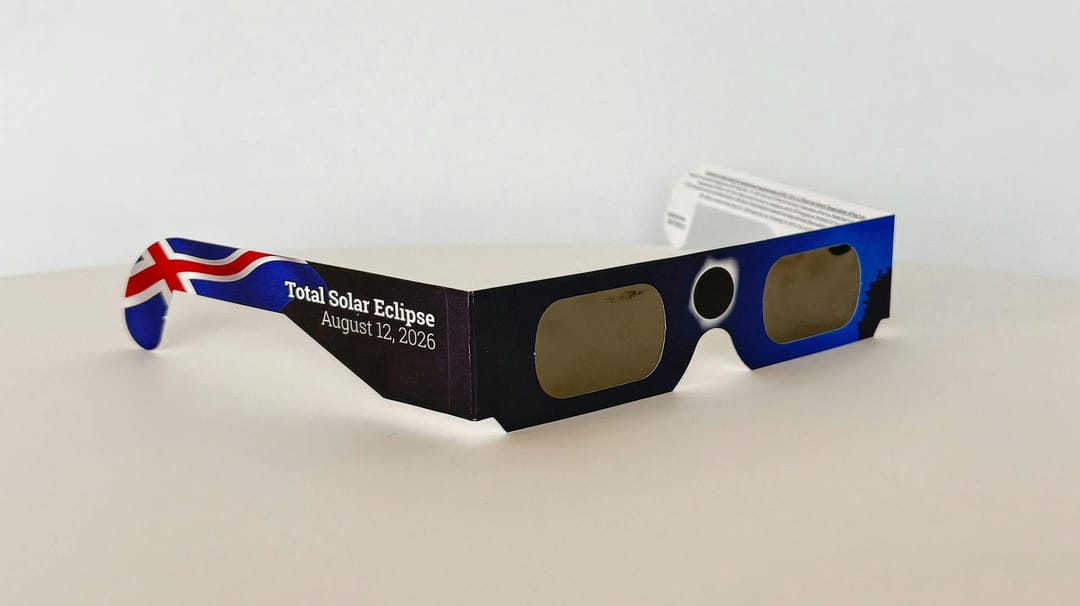
Solar eclipse glasses are a must at all times outside the path of totality. This remains true even when the eclipse reaches its maximum because the Moon does not cover the Sun completely. It is not safe to look at the Sun without proper eye protection, even if it is 99.99% eclipsed. Only within the path of totality is it safe to remove your glasses—and only during the few minutes of 100% totality.
Eclipse glasses are available at solmyrkvagleraugu.is. Sales of these glasses fund educational programs about the eclipse.
When the partial eclipse is near maximum (roughly between 17:40 to 17:55), people will experience:
Temperature changes: You will physically feel the chill as the sunlight fades.
Sharper shadows: Shadows become crisp and strangely defined.
Eerie light: A unique metallic or silvery light settles over the landscape.
Dimming: Most noticeable nearest to the path of totality, and least intense in the easternmost part of Iceland.
Planetary sightings: Venus and Jupiter may become visible near the path of totality during the peak.
The Shadow's Edge: Those nearest to the path of totality may witness the dark umbral shadow of the Moon rushing across West Iceland.
In East Iceland, the partial solar eclipse will be similar to the March 20, 2015 eclipse. The time-lapse below shows how dark it became then. Keep in mind that our pupils expand to collect more light as it gets darker, so we often perceive conditions as being brighter than they truly are.
At the edge of the path of totality, Baily's beads appear like glistening gems as the Moon’s rugged topography grazes the solar limb. These stunning beads of light are formed when rays of sunlight shine through the deep valleys of the lunar landscape. They are beautifully captured in the footage below.
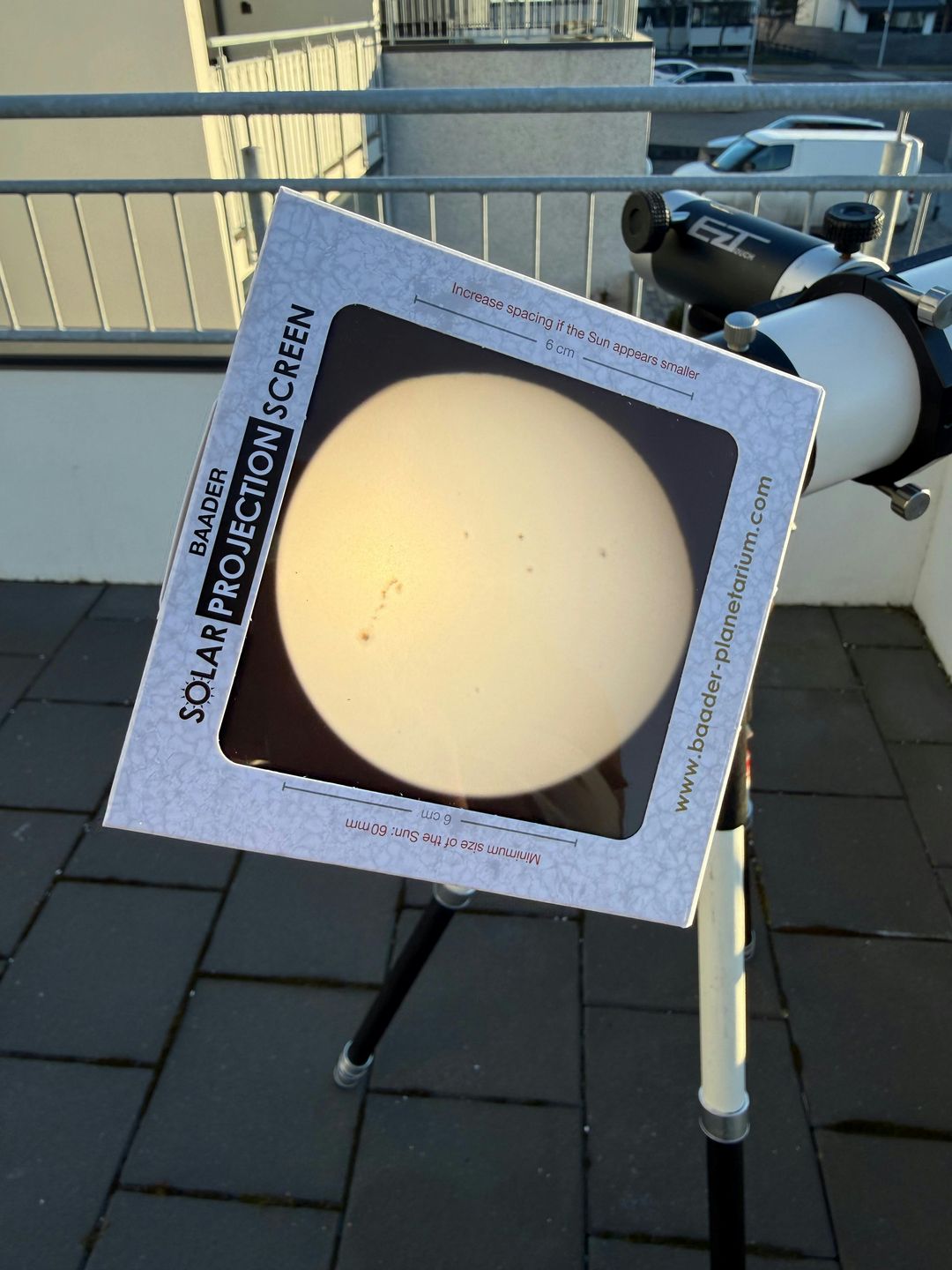
What is the best way to observe the partial eclipse in East Iceland? Use solar eclipse glasses, solar filters on telescopes, or project the solar image through a pinhole.
During an eclipse, many household objects can act as pinhole projectors. For example, the leaves on trees, kitchen colanders, or even Ritz crackers! Anything with tiny openings works. You can also make your own projector by piercing a piece of paper with a needle. In the shadow, a tiny image of the crescent Sun will appear. This is a simple, safe way to observe the eclipse, especially with children.
Wednesday, August 12, 2026, is a historic day for Iceland. Even though the "main event" is the path of totality, the partial eclipse to the east is so deep that there is every reason to celebrate. Watch the eclipse, fire up the barbecue, and enjoy. Throw a party with friends and family!
East of the path of totality, a very deep partial solar eclipse can be seen, from 99.99% down to 95.15%
People in East Iceland experiences temperature drop and eerie light
Solar eclipse glasses are a must the whole time
Use solar filters on telescopes or solar projection to watch the partial eclipse safely
Buying eclipse glasses and other merchandise, you support our educational efforts for the eclipse. You can also donate at buymeacoffee.com/icelandatnight