Iceland promises unforgettable views — but only if you prepare properly. Here are 10 mistakes you must avoid
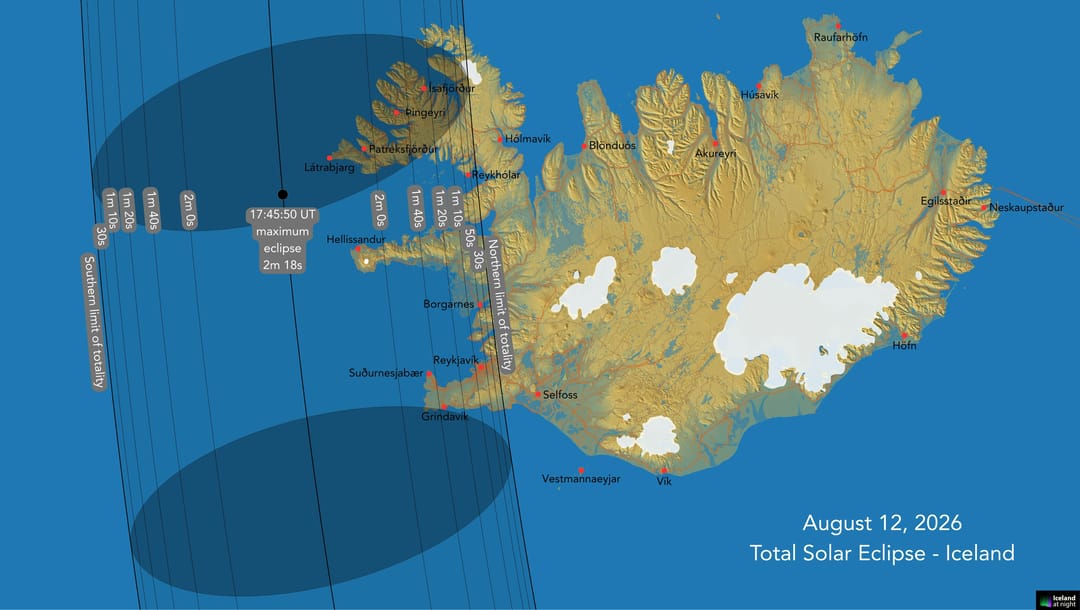
Iceland will offer a spectacular stage on Aug. 12, 2026, when for up to 2 minutes and 13 seconds, the moon will completely block the sun above volcanic backdrops, sweeping coastlines and vast skies. The path of totality — about 183 to 190 miles wide (290 to 305 km) — will sweep across western Iceland only, bringing a short totality to the Westfjords, the Snæfellsnes Peninsula and the Reykjanes Peninsula, including Reykjavík. However, this is Iceland’s first total solar eclipse since 1954, and very few Icelandic people have any experience with eclipses. As with many astronomical events, there’s a lot of misunderstanding about what is about to happen and what people need to do, which is not helped by some very bad advice online from non-experts. Iceland promises unforgettable views — but only if you prepare properly. Here are 10 mistakes you must avoid to make the most of this one-in-a-lifetime event in Iceland.
You’ll hear claims that a particular place is good because it has “90% coverage” or “90% totality.” A 99% partial eclipse is not “almost” total. Unless you are inside the path of totality, you will not see the solar corona or experience daytime darkness. Make sure you are within the path of totality — especially if traveling between regions — checking maps of the eclipse to find good locations.
If you position yourself near the eastern limit of totality, even small navigation errors could reduce your time in the darkness of totality to mere seconds. Aim to be comfortably inside the path.
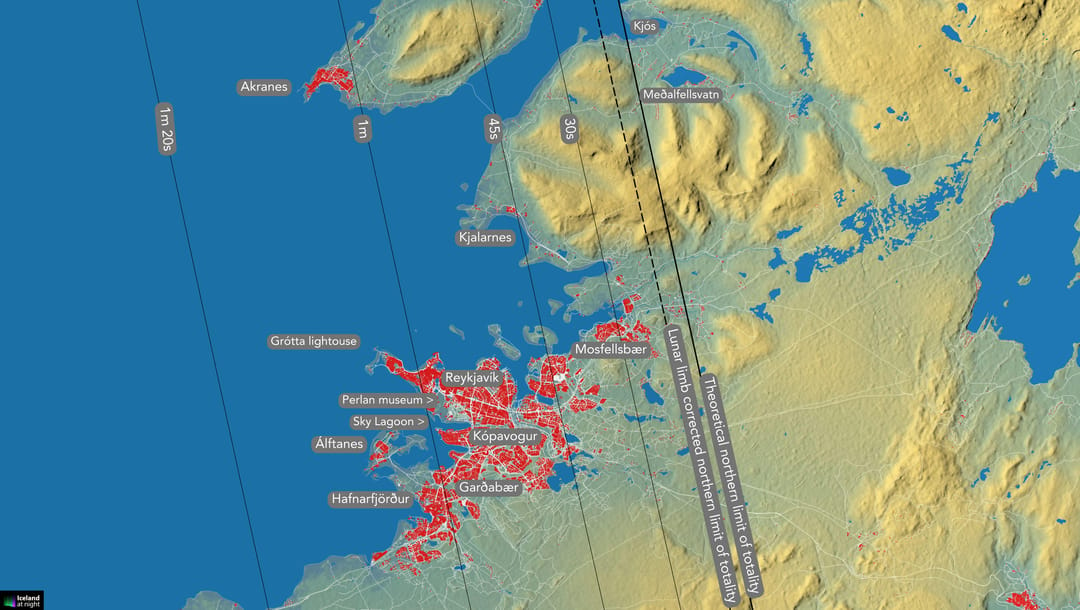
The centerline of the path of totality is where to get the longest duration, but in Iceland, that’s out at sea. Many eclipse chasers will gather as far west as possible, with western reaches of the Snæfellsnes Peninsula and Westfjords seeing the longest totality at about 2 minutes and 9 seconds and 2 minutes and 13 seconds respectively. However, it’s not wise to prioritize duration too much — just focus on being inside the path. Besides, in Iceland, cloud cover will matter far more than squeezing out an extra half-minute. Choose clearer skies over mathematical perfection.
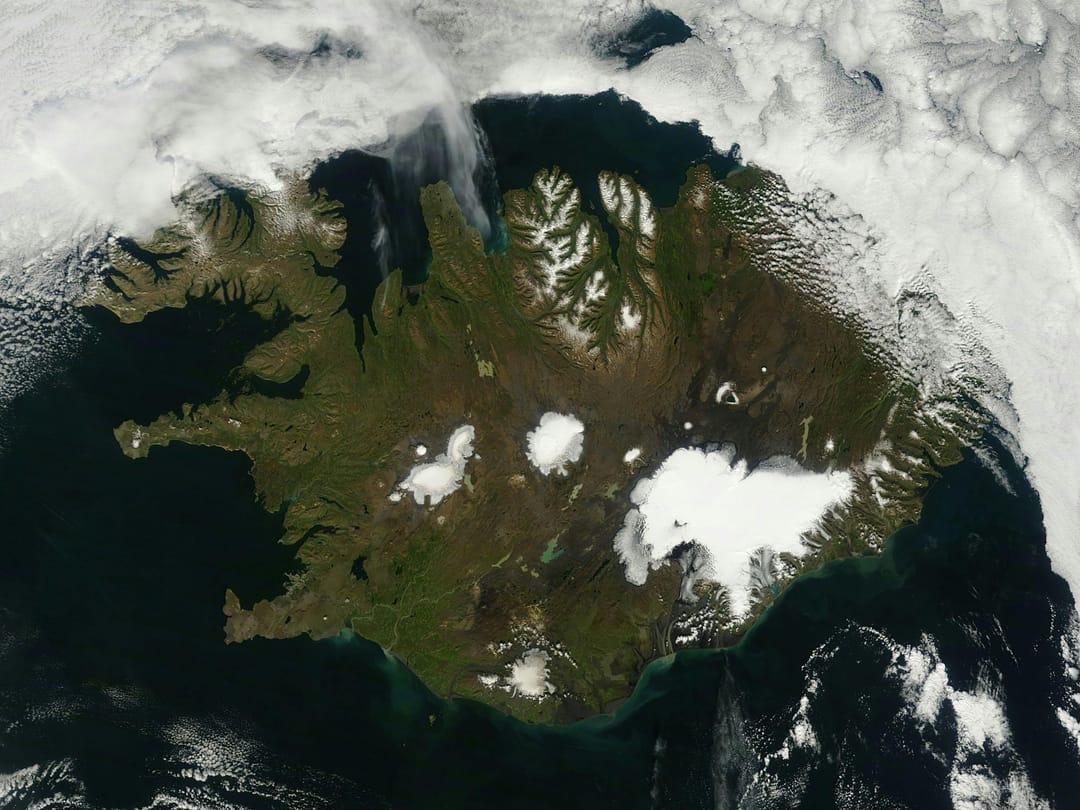
August in Iceland can bring sunshine, fog, wind and rain — sometimes within an hour — so learn what to expect. Monitor the Icelandic Meteorological Office’s high-resolution cloud forecasts (also found on icelandatnight.is) and move into position during the day on Aug. 12. Ultimately, the best viewing locations will likely depend on the wind direction.
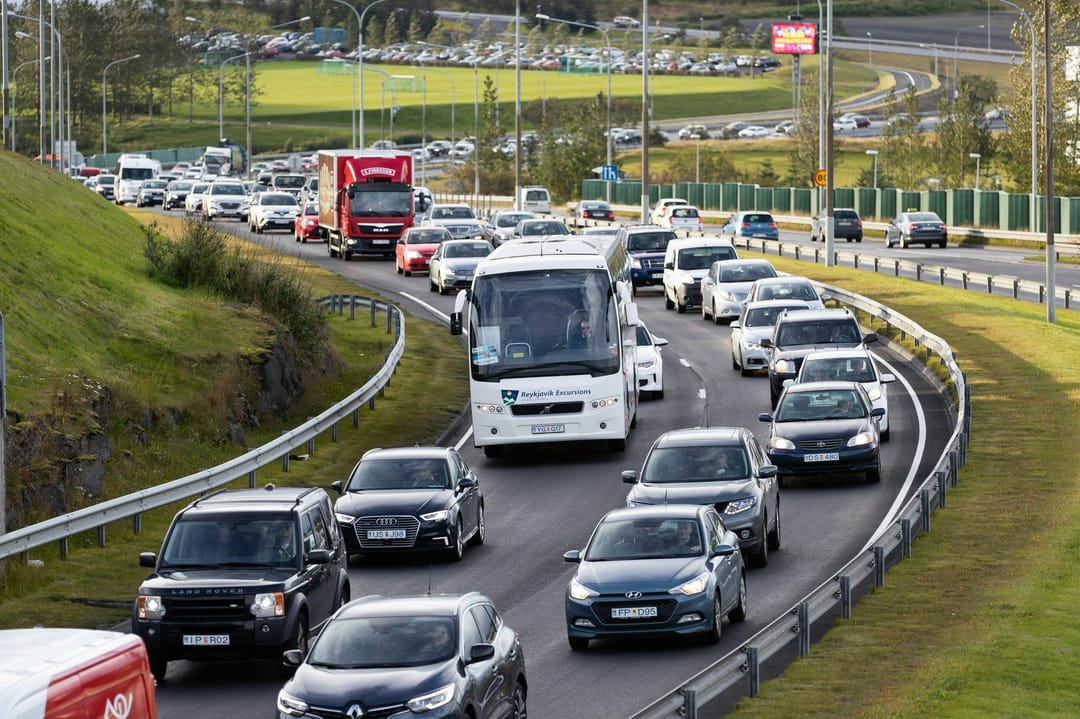
Iceland’s road network is limited. Scenic hotspots and coastal viewpoints near Reykjavík could become bottlenecks in the hours before the eclipse, around 17:47, and almost certainly in the hours afterward. It’s not unusual for traffic queues to remain for several hours after a total solar eclipse. It’s therefore wise to move early in the day. Download offline maps, take food and drink and fuel up in advance — and arrive early. Plan to stay put after totality rather than joining a rush onto Iceland’s two-lane roads.
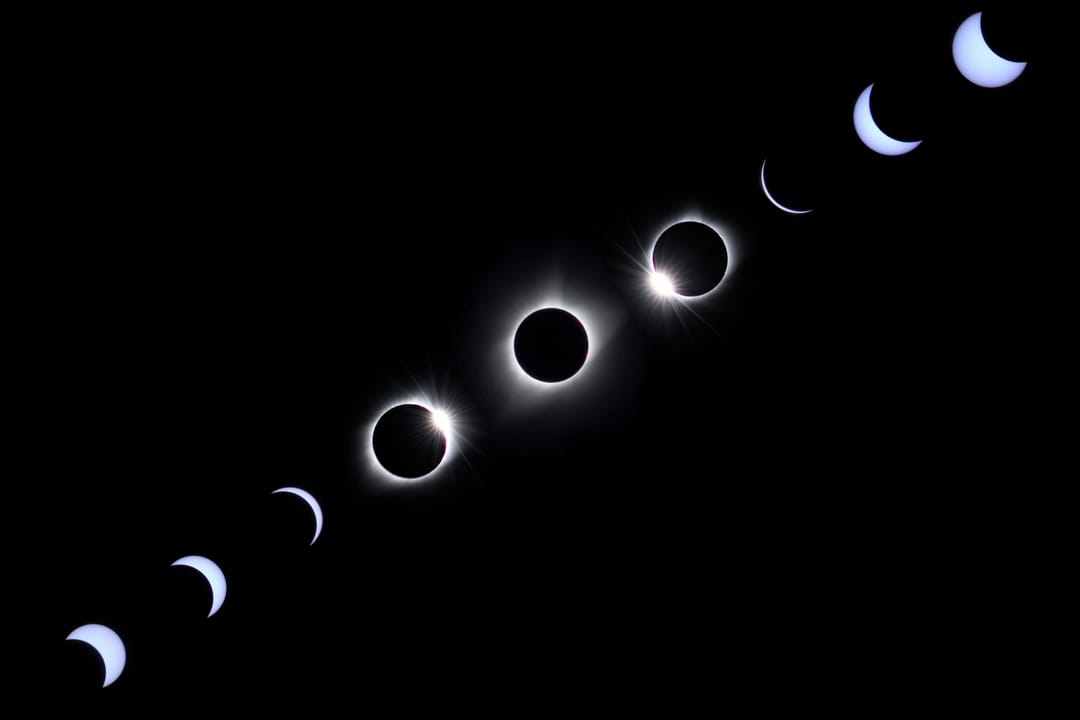
Totality is the climax, but the eclipse unfolds over roughly two hours, from around 16:47 to 18:47 — with totality around 17:47. Arrive with enough time to settle in before first contact — when the moon begins to appear to take a bit out of the sun — and plan to remain afterward for fourth contact, when the moon finally moves away from the sun. Rushing in late — or leaving immediately after — diminishes the experience and will only bring traffic issues.
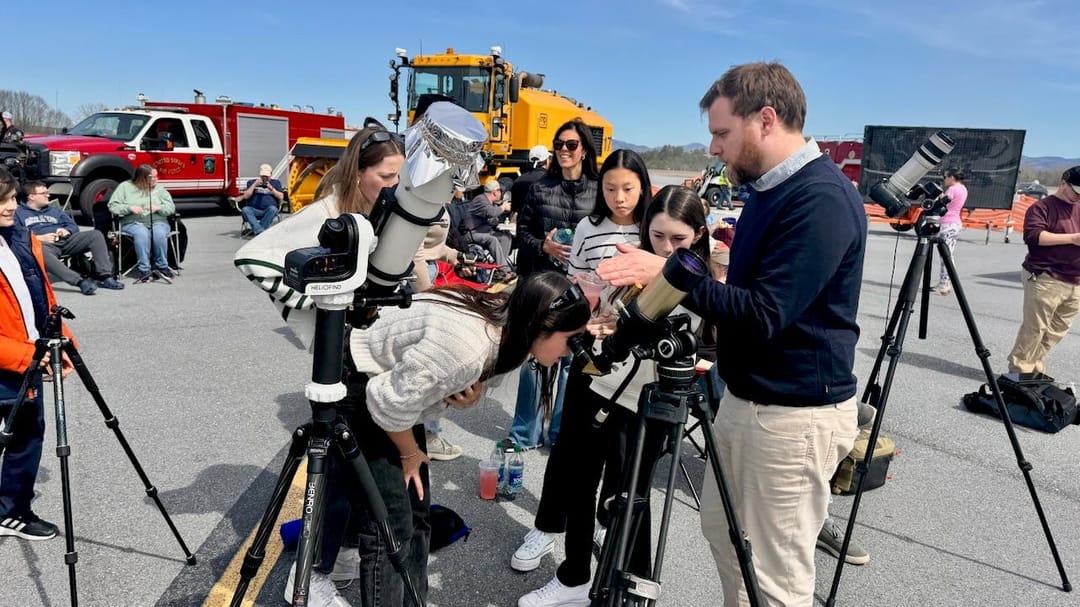
Two minutes is not long for one of nature’s greatest sights. If you must photograph it, automate your setup and rehearse in advance. Smartphone users should take one quick photo at the start of totality — flash off — then put the phone away. The emotional memory will far outweigh any mediocre image.
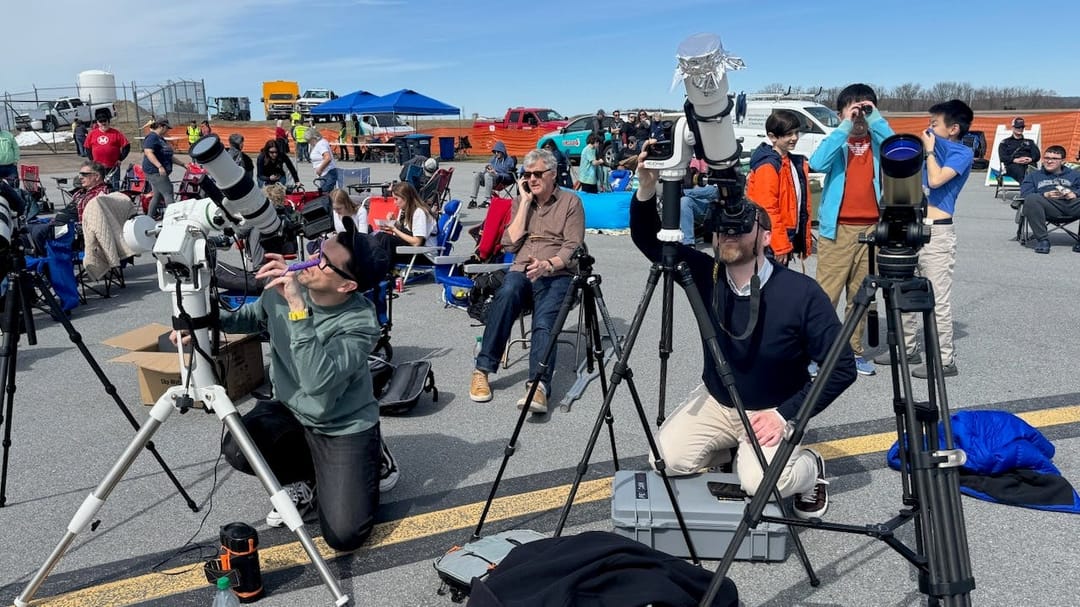
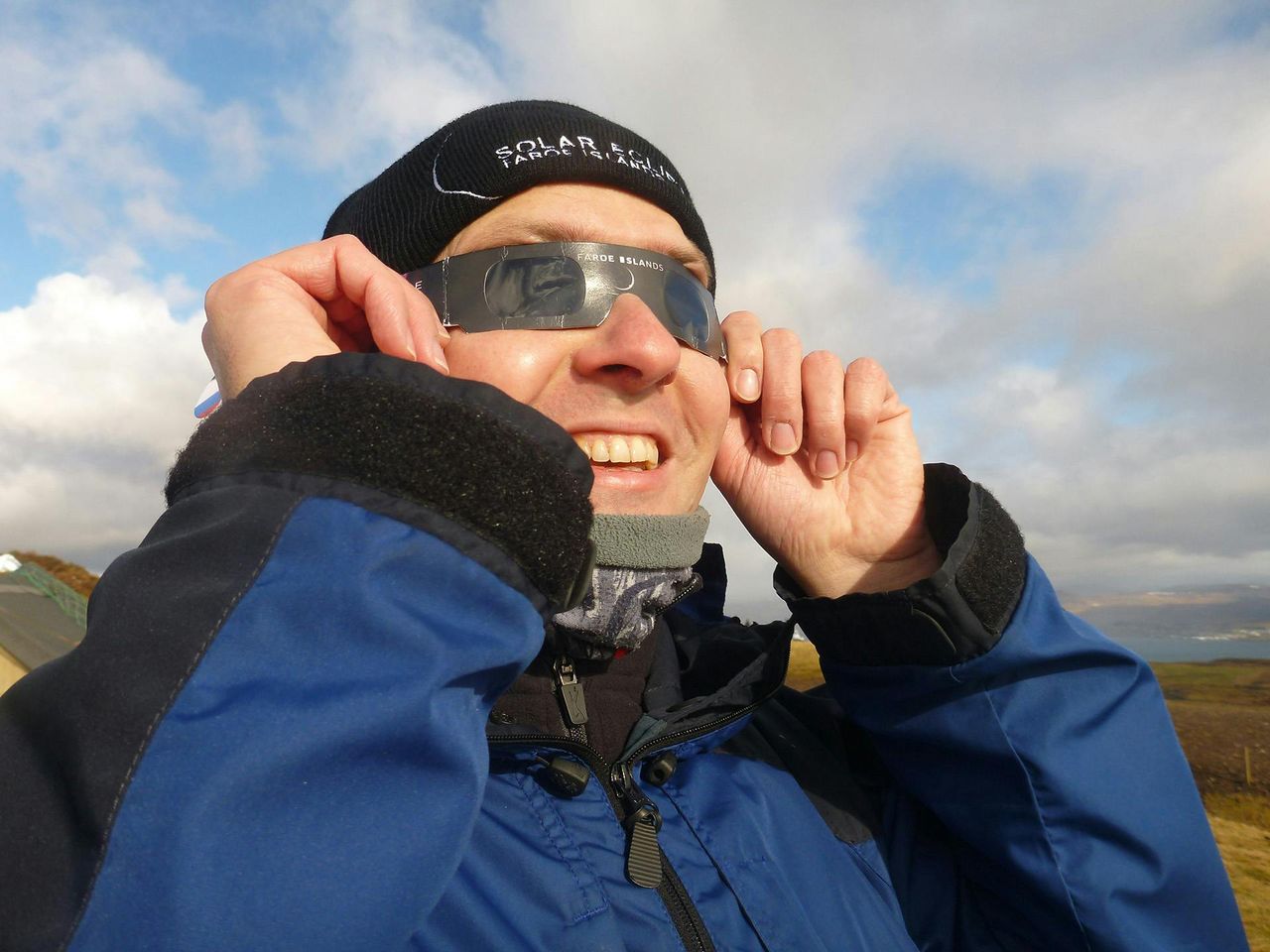
During partial phases, certified solar eclipse glasses are essential. But once totality begins and the sun is completely covered, remove them. Keeping filters on during totality means you won’t see the corona. Conversely, failing to put them back on the instant totality ends risks permanent eye damage.

The eclipse will take place around 25 degrees above southwest, but there’s more going on in the rest of the sky. If it’s clear, you may see Jupiter just to the right of the eclipsed sun, with tiny Mercury just beyond it. Further to the left, you’ll see Venus. However, a 360-degree sunset will appear close to the horizon. Iceland’s lava fields, glaciers and ocean cliffs will take on an eerie, metallic tone. These landscapes will be momentarily transformed as the temperature drops, birds fall silent — or get noisy — and city lights switch on.
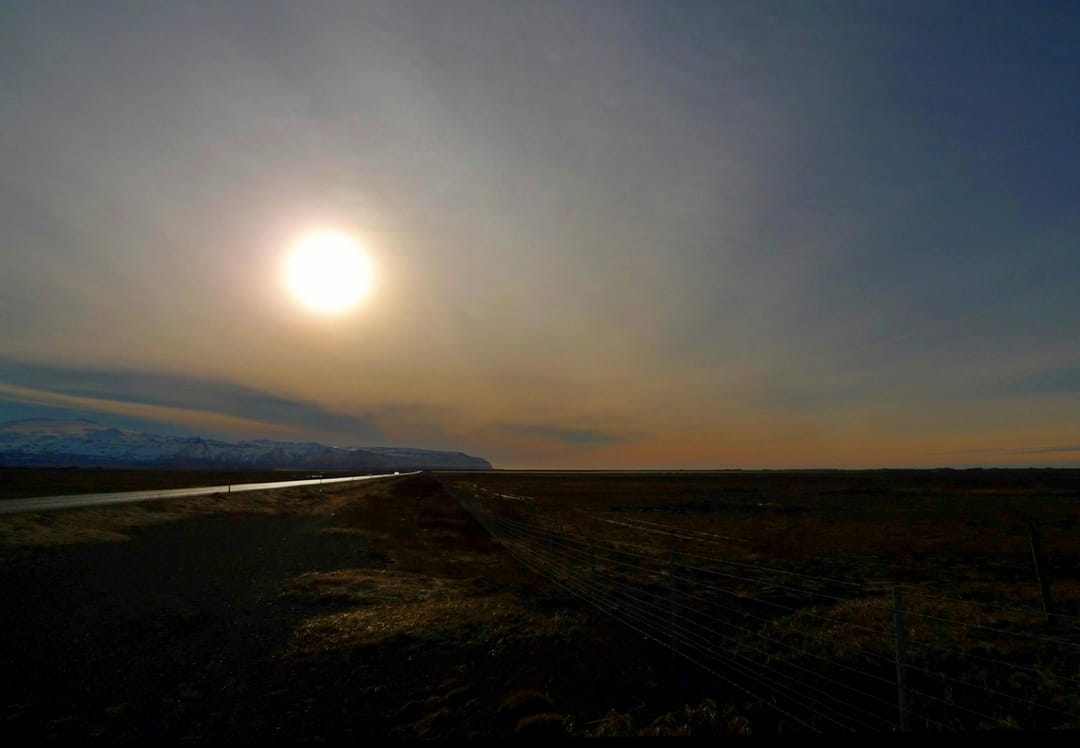
When the diamond ring flashes and daylight returns, resist the instinct to pack up. Stay for the post-totality partial phase — it’s only an hour. That’s just enough time to let traffic disperse, but more importantly, it will give you the chance to share reactions and reflect on what you just experienced. A total solar eclipse is so rare — and savoring the afterglow is part of the magic.
Jamie Carter is the author of Complete Guide to the Total Solar Eclipse 2026, The Eclipse Effect and When Is The Next Eclipse? A traveler’s guide to total solar eclipses 2026-2034